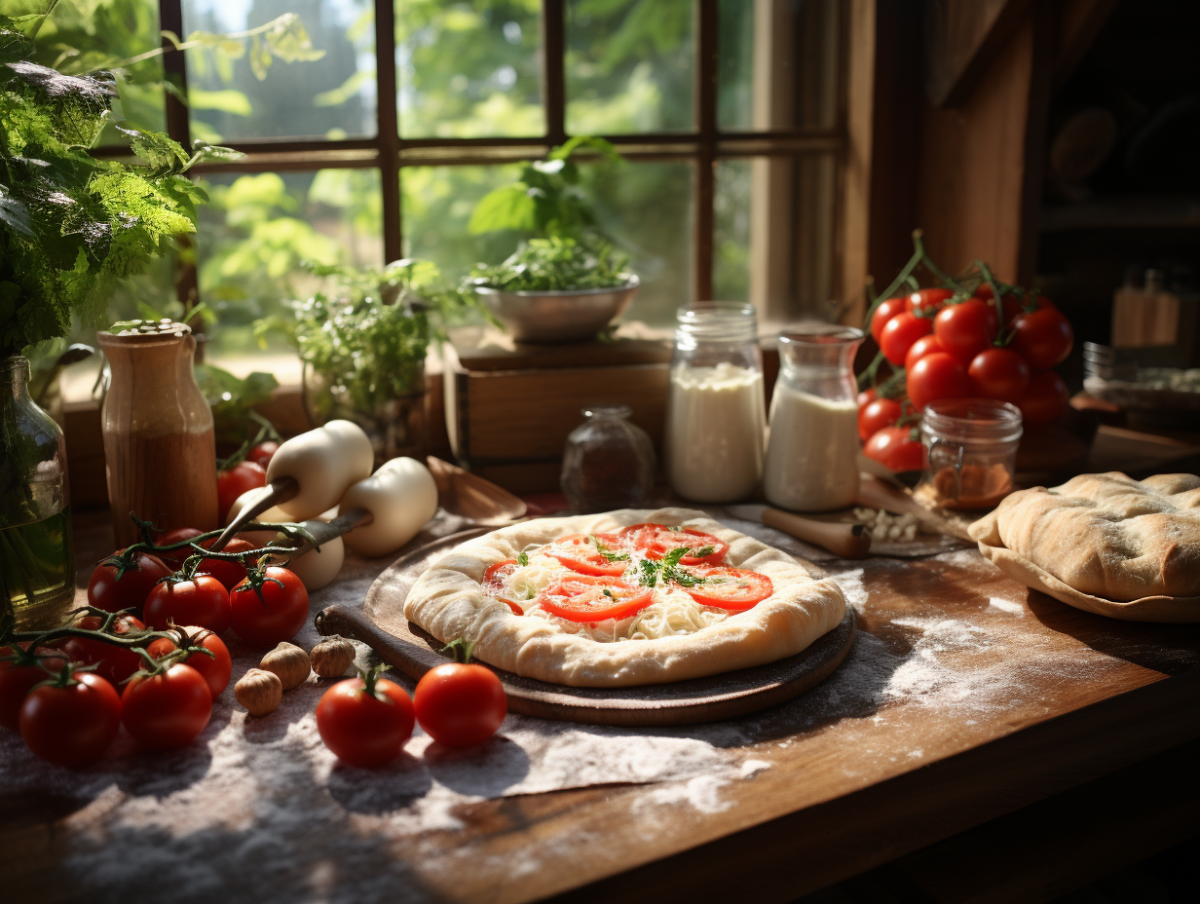
Homemade pasta making is often seen as an economical and healthy alternative to store-bought options. In the face of the enthusiasm for homemade food and the search for authenticity in cooking, many enthusiasts are turning to this practice, conjuring the image of a traditional Italy where every family prepared their tagliatelle and ravioli. But beyond the romanticism associated with this culinary tradition, the question arises: is making pasta at home truly synonymous with savings, or is it just a myth perpetuated by food lovers? Does the investment in time and equipment justify the savings made on the grocery bill?
Making Your Own Pasta: Between Myth and Economic Reality
In the world of gastronomy, France and Europe are often cited as examples for their homemade cuisine, rich in traditions and flavors. Among the most emblematic dishes are pasta, whose artisanal production is common, particularly in Paris where homemade is synonymous with quality. But beyond the romantic charm of making fresh pasta, examining the economic aspect proves to be wise.
How to make economical and quality homemade pasta? This question is at the heart of consumers’ concerns. The basic recipe for homemade pasta, simple in appearance, requires flour, eggs, sometimes a bit of water, and a pinch of salt. The ingredients are affordable, yet comparing them to industrial dry pasta necessitates analyzing the quality-price ratio of the latter. The freshness and absence of additives in homemade pasta are undeniable advantages, but what about the cost?
Acquiring a pasta machine can represent a significant initial investment. However, this purchase can be amortized over the long term, especially considering the frequent use and lifespan of the equipment. The time spent on preparation, estimated between thirty minutes and an hour, must be taken into account in the cost-benefit analysis of homemade pasta production.
The variety of possible recipes, ranging from classic tagliatelle to colorful and flavored pasta, offers a palette of tastes and textures that are not always found in stores. For homemade fresh pasta, using durum wheat semolina or type 00 flour is recommended to achieve optimal consistency and flavor. After a resting period, the dough is rolled out with a rolling pin or machine, then cut into the desired shape before being plunged into boiling salted water. This mastery of ingredients and the manufacturing process is a strong argument for those looking to combine economy and quality in their cooking.
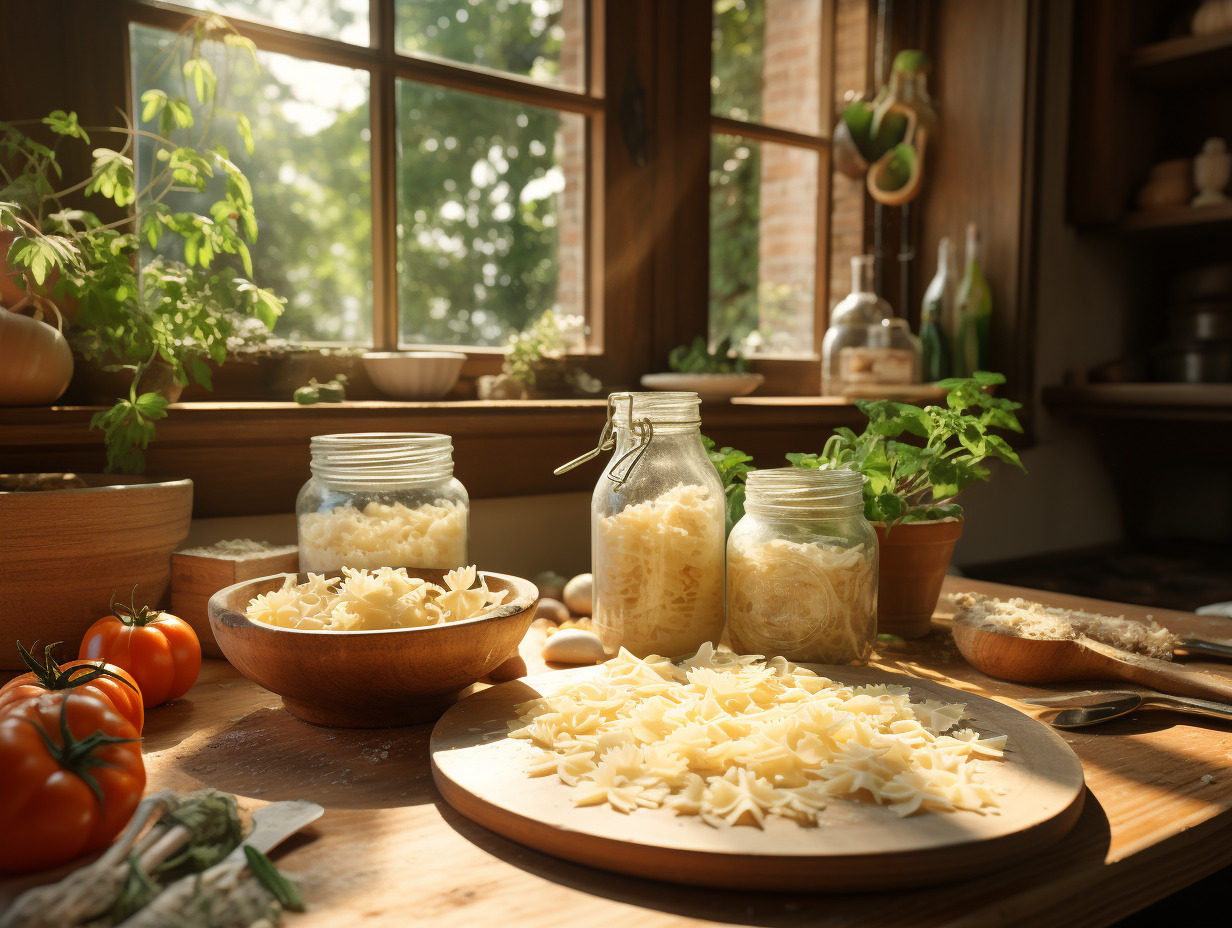
Cost-Benefit Analysis of Homemade Pasta Production
When it comes to making your own pasta, the balance between costs and benefits is often misestimated. Consider the traditional recipe for homemade fresh pasta: flour, eggs, a splash of water, and a touch of salt. These ingredients, while inexpensive, are just the tip of the iceberg. The time spent kneading, rolling, and cutting the dough must be valued, as in an economy where time is a precious commodity, every minute counts.
Then compare homemade pasta to its industrial equivalent, dry pasta, which is often more affordable to purchase. It is clear that the unit price of industrial pasta is lower than that of homemade fresh pasta when only direct costs are considered. However, the superior quality of homemade pasta, free from preservatives and additives, can justify a higher expense for health-conscious consumers.
Acquiring a rolling pin or a pasta machine is an initial investment that may seem daunting. Amortizing this tool over time, combined with the satisfaction of consuming homemade fresh pasta, can prove to be worthwhile. The ability to color and flavor the pasta offers a customization that store-bought products often cannot match.
The use of durum wheat semolina or type 00 flour, recommended for optimal consistency and flavor, can influence the economic calculation. However, the difference in cost is generally offset by the taste quality of homemade pasta. After a necessary resting period for the dough, it is ready to be enjoyed, offering a culinary experience that standardized dry pasta struggles to rival. Thus, making homemade pasta is as much a matter of taste and pleasure as it is of costs and benefits.