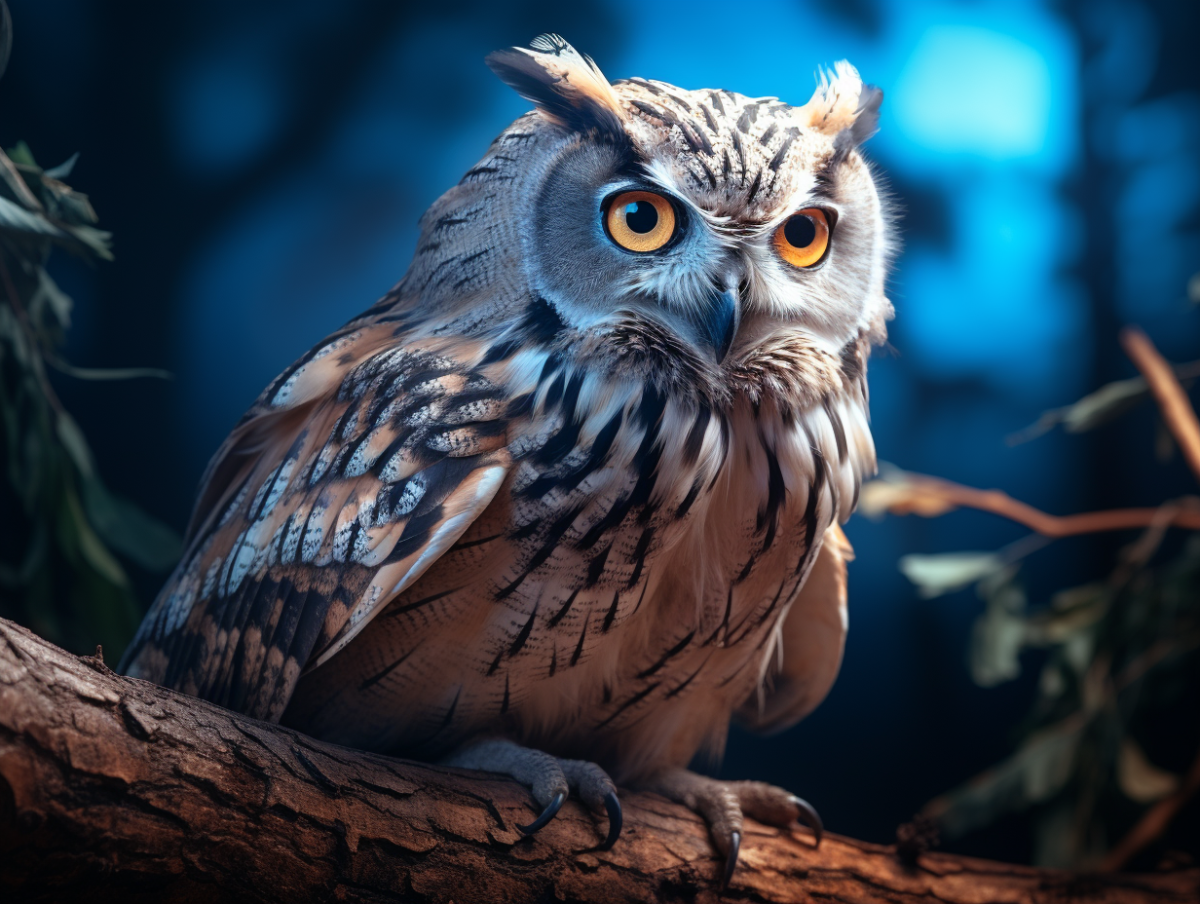
When the sun sets and night wraps nature in a dark veil, a wild symphony rises, complex and fascinating. The nocturnal world comes alive, bringing with it a palette of enigmatic sounds. Wild animals, the actors in this natural score, communicate, hunt, or move, each with its own acoustic signature. To the untrained human ear, these noises can be confusing, even a source of concern. Yet, with a bit of knowledge and attention, learning to recognize these sounds becomes a key to understanding and appreciating the richness of nocturnal biodiversity.
The secrets of nocturnal sounds: decoding the calls of wild animals
Decoding the interpretation of nocturnal sounds requires a refined understanding of animal behaviors. In the concert of wild animals, each species plays its part. Take, for example, the nocturnal birds. Their songs are often associated with specific functions: territorial and courtship communication in the owl, which hoots at night, or the territorial claim and call to females in the horned owl, which sings at night. These vocalizations, produced by a specific organ, the syrinx, are essential for their survival and reproduction.
Consider the barn owl, whose ominous screech can chill the blood of an uninitiated listener. This cry is characteristic and allows the species to communicate in the dark. Similarly, the tawny owl emits a monotonous hoot, while the little owl is distinguished by its repeated yapping. These sound peculiarities, often shrouded in mystery and legends, as noted by David Attenborough, are actually clear indicators of presence and behavior.
The owl, for example, becomes active at dusk, sleeping during the day. Its nocturnal hooting has been interpreted over time as a sign of good weather or an omen of death. These superstitions, although lacking scientific basis, reflect the cultural impact of these nocturnal calls. The morphology of owls, adapted to nocturnal activities and the forest environment, illustrates the evolution of these species in perfect harmony with their lifestyle.
It is impossible to overlook the cry of the beech marten, often confused with other cries of nocturnal animals. Although less melodious than the songs of birds, it remains a distinctive element of the nocturnal acoustics. Learn to distinguish these different calls, and you will transform the experience of listening to these sounds of nature into a rich and educational one.
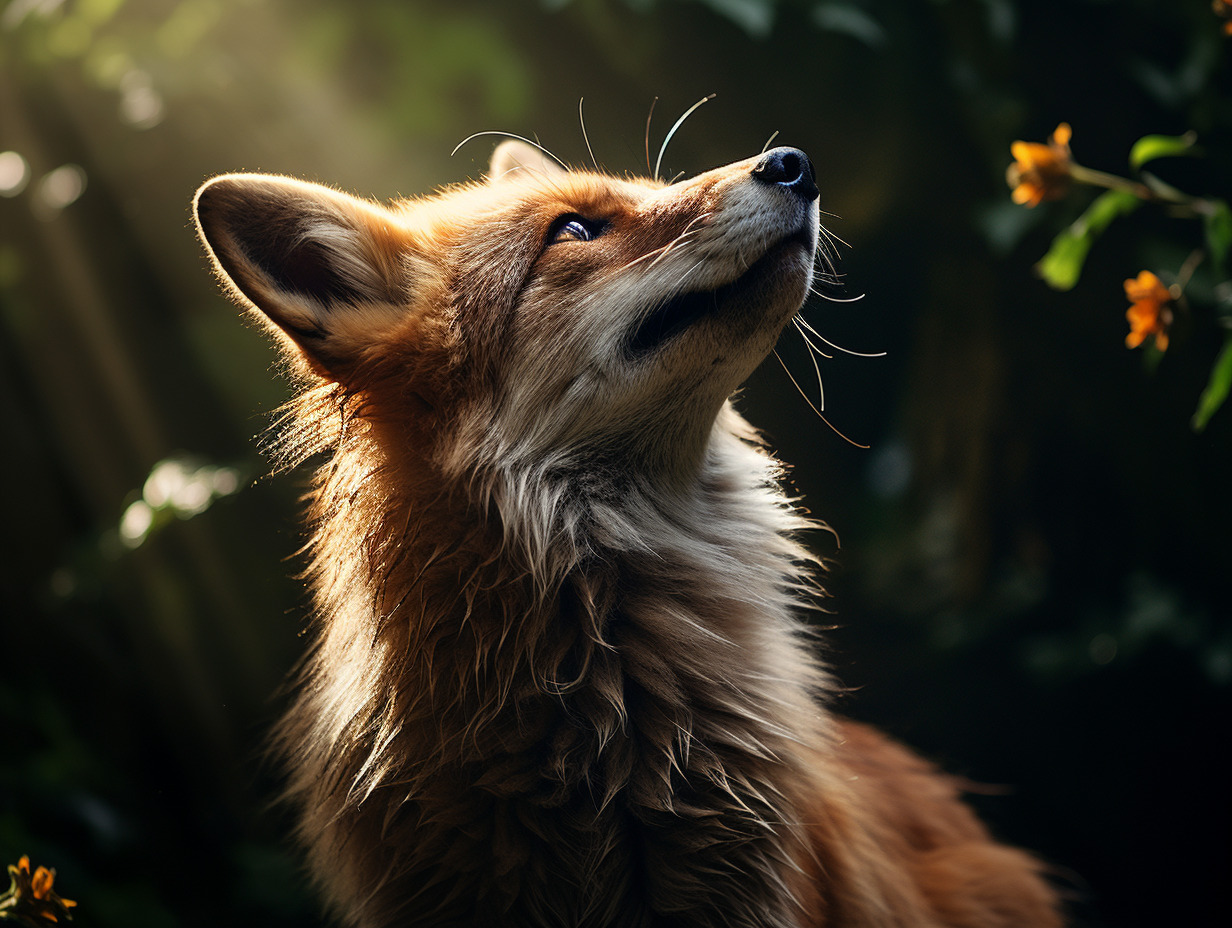
Practical guide to identifying the cries and sounds of French wildlife
The nocturnal acoustics of our countryside offer a true panorama of the animal species that inhabit our regions. Recognizing the sounds of wild animals thus becomes an exercise that is both exciting and useful for the naturalist or nature enthusiast. The tawny owl, for example, is distinguished by a melodious song that the male uses to attract females and mark his territory. Listen to the silence of the night: if you hear a deep and rhythmic song, it is highly likely that you are near such a specimen.
The little owl, on the other hand, offers a particular sound spectacle when the pair sings in concert, a rarity in the avian world. These harmonious duos, often perceived as musical notes played in tandem, are a clear indication of their presence in orchards or old walls where they like to nest. In contrast, the lapland owl prefers twilight to be active, while the european scops owl, with its poor vision in total darkness, opts for the onset of night to become active, a moment when the residual light still allows it to navigate.
For keen observers, the hen harrier presents a special case with its partially diurnal habits, which can be confusing when listening to nocturnal sounds. These behavioral nuances, linked to each species, require sustained attention and familiarity with their habits. Enrich your nature experience by learning to identify these different cries and songs, and transform your nocturnal outings into an informative auditory exploration.